I’ve been managing short-term holiday rentals around the Coromandel Peninsula for a little over a decade, long enough to remember when most bookings came through handwritten guest books and word of mouth. These days, the volume is higher and the expectations are sharper, but the fundamentals of good Coromandel Accomodation haven’t changed as much as people think. What has changed is how easy it is for visitors to make the wrong choice if they don’t understand the area.
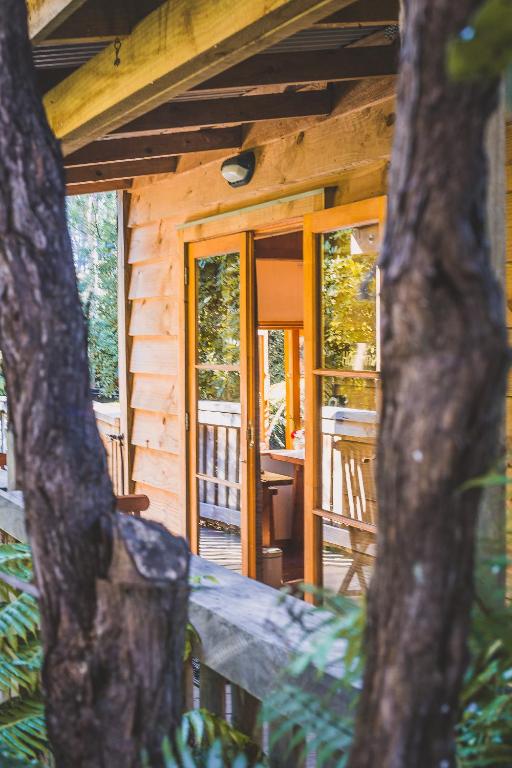
One of the first lessons I learned was that “close to the beach” means very different things in Coromandel. I once had a family arrive late on a Friday night assuming they were steps from the sand, only to realize the property sat up a steep gravel road with a long walk down. The listing hadn’t lied, but it hadn’t told the full story either. Since then, I’ve been very direct with guests about access, gradients, and whether the beach is swimmable at all tides. Those details matter here more than in most coastal regions.
After years of seeing guests come and go, I’ve found that accommodation in Coromandel really falls into two lived experiences rather than neat categories. There are places designed for slowing down completely—quiet coves, limited phone signal, older baches that creak a little at night. Then there are properties built for movement: close to surf breaks, boat ramps, cafés, and towns where you’re in and out all day. Problems tend to arise when people book one type while expecting the other. I’ve had more than one couple disappointed by how quiet their stay was, and just as many families frustrated that their “peaceful retreat” was right on a busy summer road.
Maintenance is another reality guests don’t always see. Salt air is relentless. I spend a surprising amount of time dealing with rusted fittings, swollen timber, and decks that need more care than mainland equivalents. A few summers back, we had to pull a popular property offline for several weeks because deferred maintenance finally caught up with it. Since then, I advise travelers to be wary of places that look immaculate online but haven’t been updated in years. In Coromandel, honest wear often signals a well-loved, regularly used home, whereas perfection can be misleading.
I’m often asked whether hotels or holiday homes are the better option. From my experience, it depends less on budget and more on how you plan to spend your days. If you’re exploring different beaches daily, cooking fresh fish, and coming back sandy and tired, a self-contained place makes life easier. If you’re here for a short stay, eating out, and keeping to one base, a serviced option removes a lot of friction. I’ve personally steered older couples away from remote homes with long driveways more than once, even when those homes were beautiful.
The most common mistake I see is people underestimating travel time. Roads wind, distances stretch, and summer traffic can turn a short map glance into a long drive. I always suggest choosing accommodation closer to where you’ll spend most of your time rather than trying to “see it all” from one spot. Guests who follow that advice tend to leave relaxed instead of exhausted.
After all these years, what still impresses me is how forgiving Coromandel can be if you choose wisely. Even modest accommodation can feel special when it fits your rhythm and expectations. When it doesn’t, the setting can’t quite make up for the mismatch. That balance—between place, property, and purpose—is what I’ve learned to respect most while working here.